
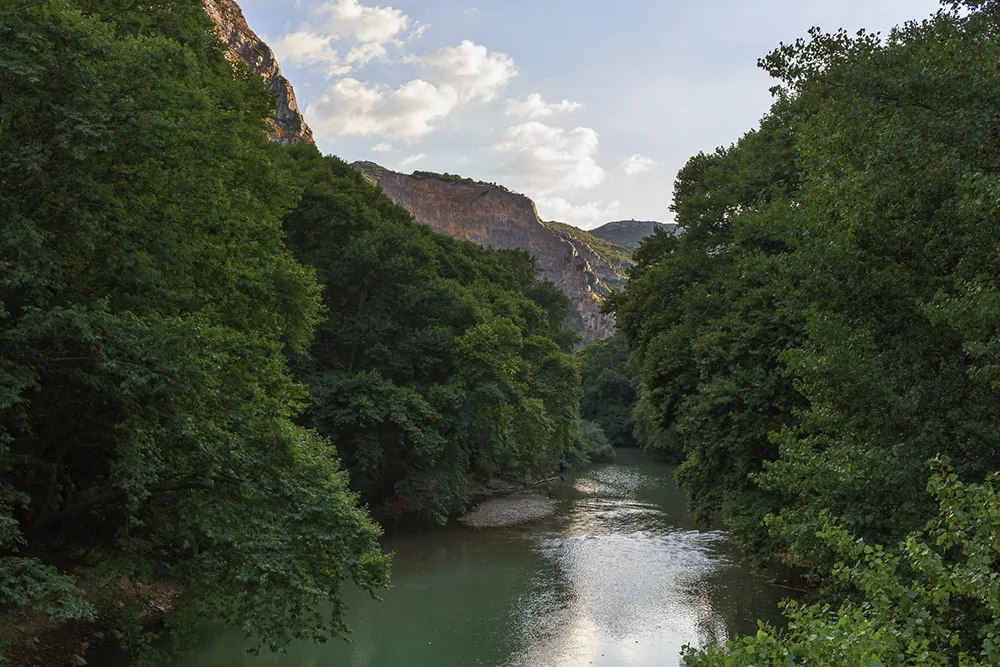
Would you trust a map drawn by someone who has never set foot on the trail? Most travelers planning a jungle trip face exactly that problem: hundreds of nearly identical itineraries, copied descriptions, and no way to tell which places deserve their limited days. The fear of overpaying for a crowded boat ride, instead of a real wilderness encounter, is legitimate. Amazon tours from Peru can be the most memorable journey of your life, but only if you know which places actually matter and which ones exist mainly for the brochure photo.
Choose badly and the consequences go beyond wasted money. You can spend five days in the jungle and never leave the tourist corridor. Worse, careless operators put pressure on the very wildlife you came to see. This guide gives you our local’s map: the reserves, rivers, islands, markets, and communities that we consider genuinely unmissable, plus honest notes on what each one demands from you. According to WWF, the Amazon holds around 10% of the world’s known species while covering only about 1% of the planet’s surface. We are Amazon Wildlife Tours, a family-run operator from Iquitos, Peru, and our guides grew up on these rivers. Let’s walk the map together.
What Are Amazon Tours from Peru? Definition and Context
Amazon tours from Peru are guided journeys into the Peruvian section of the Amazon basin, usually departing from Iquitos or Nauta in the Loreto region. They combine river navigation, jungle lodges or camping, wildlife observation, and visits to protected areas and local communities, with durations that typically run from one full day to a week or more.
What makes the Peruvian side of the basin special is access. From Iquitos, you can reach flooded forest, blackwater creeks, white-sand forest, and the exact point where the Amazon River is born. Few departure cities anywhere offer that range within a few hours of boat travel. The city itself sits surrounded by rivers, and it is often described as the largest city in the world that cannot be reached by road. You arrive by plane or by boat. That isolation has kept the surrounding forest remarkably intact.
However, access alone doesn’t make a trip. The difference between a forgettable tour and a genuine expedition lies in where the boat actually goes. A local’s map matters because the famous names are not always the best stops, and some of the best stops barely appear in search results. Throughout this guide, we mark each place with honest expectations rather than promises.
How jungle travel from Iquitos evolved
Tourism here began decades ago with riverboat traders who occasionally carried curious foreigners upriver. Lodges followed, first rustic platforms with mosquito nets, later comfortable eco-lodges with private bathrooms. In recent years, the model has shifted again. Travelers now ask for smaller groups, certified local guides, and itineraries that support conservation instead of straining it. As a family operation, we welcome that shift. It rewards exactly the kind of slow, careful travel our fathers practiced as fishermen and forest workers.
Why this matters for sustainable travel now
Protected areas in Loreto depend partly on tourism income to fund rangers and community-managed conservation programs. When you choose well-run Amazon tours from Peru, your visit becomes part of the reason a reserve stays patrolled and a turtle-repopulation beach stays managed. When you choose badly, the opposite can happen. Boats that chase dolphins or guides that handle wild animals create real damage. Your itinerary is, in a quiet way, a conservation decision.
The specific role of Iquitos, Peru
Iquitos is the operational base for nearly all jungle travel in northern Peru. Flights from Lima arrive daily, and the road to Nauta connects you to the Marañón and Ucayali rivers. Everything in this guide assumes Iquitos as your starting point, because that is where we live and work, and because it is the most practical gateway to the places on our map.
💡 Key fact: The Amazon basin spans roughly 6.7 million square kilometers across eight countries plus French Guiana, and it shelters about 10% of all known species on Earth, according to WWF. Peru holds one of its best-preserved sections, much of it accessible only by river from Iquitos.
💡 Not sure whether amazon tours from Peru fit your travel style? Check the frequently asked questions or ask us directly on WhatsApp. At Amazon Wildlife Tours we’re happy to help, no strings attached.
The Local’s Map: 7 Unmissable Places on Amazon Tours from Peru
Which places truly deserve a spot on your itinerary? Based on decades of guiding, the unmissable places on amazon tours from Peru are Pacaya-Samiria National Reserve, the birthplace of the Amazon River near Nauta, the flooded forest creeks of the Yanayacu area, Monkey Island, the Bora and Yagua communities, Belén Market, and the night river. Each offers something the others cannot.
Below, we explain why each place earns its position, what it really feels like, and how to fit it into your plan. Treat this as a menu, not a checklist. A good trip combines three or four of these places done slowly, instead of all seven done in a rush.
1. Pacaya-Samiria National Reserve — the jungle of mirrors
Why it matters: Pacaya-Samiria is the largest national reserve in Peru, covering about 2,080,000 hectares of flooded forest between the Marañón and Ucayali rivers, according to SERNANP, the agency that manages it. Locals call it the jungle of mirrors, because dark, sediment-heavy water reflects the canopy so perfectly that the forest seems to float.
What it’s really like: Long, quiet hours in a boat. Herons lifting off black water at dawn. Good opportunities to spot pink and grey river dolphins, monk sakis, macaws, and caimans after dark. Honestly, this is the place that still surprises us after all these years.
How to include it: You need at least three days. Our Pacaya Samiria expedition programs run from three to five days, with entry permits, ranger-station check-ins, and camping or community lodging arranged in advance.
2. The birth of the Amazon River, near Nauta
Why it matters: The Marañón and Ucayali rivers meet near the town of Nauta, and from that confluence the Amazon River formally begins. Standing at the point where one of Earth’s great rivers takes its name is a quietly powerful moment, and most rushed itineraries skip it.
What it’s really like: Two enormous brown rivers folding into each other under a wide sky. Fishermen in dugout canoes. Often, dolphins feed where the currents mix, although sightings depend on the day.
How to include it: It pairs naturally with any Pacaya-Samiria trip, since Nauta is the river gateway to the reserve. Ask your operator to schedule the confluence at sunrise or late afternoon, when light and animal activity are best.
3. The flooded forest and creeks of the Yanayacu area
Why it matters: Between January and May, high water lets boats glide directly through the treetops of the várzea, the seasonally flooded forest. You travel at canopy height, eye to eye with sloths, tamarins, and troops of squirrel monkeys. In low-water months, the same area reveals beaches, exposed trails, and concentrated fish life.
What it’s really like: The smell of wet leaf litter, the creak of paddles, and sudden bursts of movement overhead. Giant water lilies, Victoria amazonica, appear in calm lagoons. No two visits look alike, because the river redraws this landscape every season.
How to include it: Lodge-based programs cover it well. The Amazon Lodge programs we operate on the river use these creeks daily for canoe excursions, piranha fishing, and birdwatching at first light.
4. Monkey Island — a rescue story you can visit
Why it matters: Monkey Island is a rehabilitation site where rescued primates live in semi-free conditions while they recover. It offers close, ethical observation of several monkey species without cages, and your entry supports their care.
What it’s really like: Curious woolly monkeys watching you from low branches, caretakers explaining each animal’s history, and clear rules: no grabbing, no feeding outside staff supervision. It’s moving rather than spectacular, and that’s exactly the point.
How to include it: It works perfectly as a single day. Our full-day Monkey Island program combines the island with river navigation and lunch, ideal if your schedule in Iquitos is tight.
5. Bora and Yagua communities — culture, on their terms
Why it matters: The Bora and Yagua peoples have lived in this region far longer than any map of it has existed. A respectful visit, arranged with the community’s consent and fair payment, opens a window into language, craftwork, dance, and forest knowledge that no lodge talk can replicate.
What it’s really like: A maloca (communal house), demonstrations of blowgun technique, handwoven fiber crafts, and conversations through your guide. Some moments are prepared for visitors; honesty requires saying so. The value lies in the exchange, not in pretending you’ve stepped back in time.
How to include it: Choose operators that work with the same communities long-term. If you read Spanish, our (en español) guide to visiting Amazon communities respectfully goes deeper into etiquette and fair-visit principles.
6. Belén Market and port — the Amazon’s pantry
Why it matters: Belén is where the river economy becomes visible. Stalls sell aguaje palm fruit, river fish, medicinal plants, and suri grubs, while the floating neighborhood behind the market rises and falls with the water level. To understand what the forest means to local life, start here.
What it’s really like: Loud, crowded, intensely real. Go in the morning with a local guide, keep valuables secure, and ask before photographing people. It is not a polished attraction, and we would not want it to be.
How to include it: A guided morning visit before or after your jungle days. Most of our travelers do it the day they arrive in Iquitos, Peru.
7. The river after dark — night safaris by boat
Why it matters: The Amazon changes shifts at night. Caimans’ eyes glow red in the flashlight beam, fishing bats skim the surface, tree frogs call in layers, and on clear nights the sky above the river is astonishing. Many travelers tell us the night outing was their favorite memory.
What it’s really like: Darkness, engine off, and patience. Sometimes you find a caiman within ten minutes; sometimes the forest gives you only sound. We’ve learned to love both outcomes, and we ask our guests to come with the same spirit.
How to include it: Any lodge stay of two or more nights should offer it. On the five-day, four-night Amazon Lodge itinerary, we usually schedule two night excursions so weather can’t steal the experience entirely.
✅ Verified fact: SERNANP reports that Pacaya-Samiria protects one of the most extensive flooded-forest ecosystems on the planet, with resident populations of manatees, river dolphins, giant otters, and taricaya turtles, supported by community-managed conservation programs inside the reserve.
How to Plan Amazon Tours from Peru: Step-by-Step Guide
How do you turn this map into a real itinerary? Planning amazon tours from Peru takes six practical steps: define your trip length and style, pick your season, shortlist verified operators, match places to days, prepare documents and health items, and pack for river conditions. Done in order, the process takes a few focused hours spread over several weeks.
Step 1: Define your trip length and style
Goal: Decide how many jungle days you have and what kind of traveler you are.
Process:
- Count your real days in Loreto, excluding flight days.
- Choose between day trips, a lodge base, an expedition into Pacaya-Samiria, or a river cruise.
- Write down your non-negotiables: wildlife, culture, photography, comfort level, or fishing.
Estimated time: One evening.
Resources needed: Your flight dates and an honest conversation with your travel companions.
🎯 Local guide tip: Three nights is the realistic minimum to feel the jungle rather than just see it. With one night, you spend most of your energy on logistics. If you can only manage day trips, choose one excellent full-day program over two rushed ones.
Step 2: Pick your season deliberately
Goal: Match water levels to the experience you want.
Process:
- Choose high water, roughly December through May, for canoe access deep into flooded forest.
- Choose low water, roughly June through November, for jungle hikes, beaches, and concentrated fish activity.
- Accept that rain happens year-round; this is a rainforest, after all.
Estimated time: 30 minutes of reading.
Resources needed: A flexible mindset more than anything else.
Step 3: Shortlist and verify operators
Goal: Build a list of two or three trustworthy companies.
Process:
- Check that the operator is formally registered and works with licensed local guides.
- Read recent reviews on TripAdvisor and Google Maps, paying attention to how complaints were handled.
- Message each operator with the same three questions and compare the speed and honesty of replies.
- Confirm group sizes in writing; small groups change everything in wildlife observation.
Estimated time: Two to three hours.
Resources needed: Review platforms, WhatsApp or email.
Step 4: Match places to days
Goal: Convert the local’s map into a day-by-day plan.
Process:
- With four to five days, combine a lodge stay with creeks, Monkey Island, and night safaris.
- With five or more days, consider a Pacaya-Samiria expedition plus the Nauta confluence.
- Reserve a half day in Iquitos for Belén Market at the start or end.
- Leave one block unplanned; the river often offers something better than your schedule.
Estimated time: One hour with your chosen operator.
Resources needed: This guide, plus your operator’s honest input on current conditions.
🎯 Local guide tip: Ask your operator which places they would skip given your dates. A company willing to remove something from its own itinerary is showing you how it thinks. That answer tells you more than any sales pitch.
Step 5: Prepare documents and health items
Goal: Arrive with everything bureaucratic and medical already solved.
Process:
- Carry your passport; reserves like Pacaya-Samiria require it for entry registration.
- Consult a travel-health professional about yellow fever vaccination and malaria precautions for the Loreto region.
- Arrange travel insurance that covers remote evacuation.
- Confirm your entry permit is included in the tour, and ask for it in writing.
Estimated time: Varies; start at least one month before travel.
Resources needed: Passport, vaccination record, insurance policy.
Step 6: Pack for the river, not for the brochure
Goal: Bring gear that works in heat, humidity, and sudden rain.
Process:
- Pack long, light, quick-dry clothing in neutral colors, plus a rain layer.
- Bring strong repellent, sun protection, a headlamp, and a dry bag for electronics.
- Add binoculars; they transform every boat ride.
- Leave drones at home unless you’ve confirmed permits, since reserves restrict them.
Estimated time: One afternoon.
Resources needed: A medium duffel; rigid suitcases travel badly in small boats.
⚠️ Common mistake: Booking the cheapest tour found on the street the day you land. Street resellers often hand you to whichever boat has space, with no accountability afterward. Reserve directly with the operating company, in writing, before you arrive.
🚀 Ready to plan your Amazon adventure?
At Amazon Wildlife Tours we handle every detail for you. Contact us on WhatsApp at +51 946 828 733 or write to info@amazonwildlifetours.com and receive a personalized trip proposal. We reply within 24 hours.
Key Factors for Evaluating Amazon Tours from Peru
What separates an excellent tour from an average one? When comparing amazon tours from Peru, six factors predict most of your satisfaction: guide quality, group size, route depth, ethical wildlife policy, safety equipment, and transparency about what’s included. Price matters less than how clearly each of these is answered before you pay.
| Factor | Importance | How to Evaluate It | Expected Impact |
|---|---|---|---|
| Guide quality | High ⭐⭐⭐ | Ask if guides are licensed locals and how long they’ve worked with the company | Better wildlife detection, richer cultural context, safer decisions |
| Group size | High ⭐⭐⭐ | Request the maximum number per boat in writing | Quieter boats mean more animal encounters and personal attention |
| Route depth | High ⭐⭐⭐ | Ask how far from Iquitos each day actually goes, and which reserves are entered | Deeper routes reach less-disturbed forest and rarer species |
| Wildlife ethics | High ⭐⭐⭐ | Confirm a no-touching, no-baiting policy for wild animals | Healthier wildlife and an experience you can feel good about |
| Safety equipment | High ⭐⭐⭐ | Verify life jackets, first-aid kits, and communication devices on board | Peace of mind in a region where help can be hours away |
| Transparency | Medium ⭐⭐ | Request a written list of inclusions, exclusions, and the cancellation policy | No surprises on arrival, easier comparison between offers |
How to prioritize these factors for your travel style
Photographers should weigh group size above everything, because a crowded boat ruins sight lines and patience. Families should prioritize safety equipment and guide experience with children. Hardcore wildlife travelers should focus on route depth and choose itineraries entering Pacaya-Samiria. Meanwhile, first-time jungle visitors get the most value from guide quality, since a great guide compensates for almost any other limitation.
A quick decision matrix
Here is the mental shortcut we suggest. First, eliminate any operator that won’t answer the ethics and safety questions in writing. Next, among the remainder, compare route depth for your available days. Finally, break ties with guide credentials and review history, not with small price differences. A modest saving means nothing if you spend your trip in the wrong part of the river. If you read Spanish, our (en español) definitive guide to the Peruvian Amazon expands on regional differences in much more detail.
Real Traveler Experiences with Amazon Tours from Peru in Iquitos
Patterns repeat among our guests, so instead of testimonials we share three anonymous, representative stories. No names, no exaggeration, and no promises that the jungle will behave identically for you.
Experience 1: A couple on their first jungle trip — overcoming the fear of “roughing it”
Context: A couple in their thirties, comfortable travelers, nervous about insects and basic conditions.
Challenge: They wanted real wildlife without sacrificing a private bathroom and decent sleep.
Experience: They chose a four-day lodge program with daily creek excursions. Rain canceled one hike, and the replacement boat ride produced their closest dolphin encounter of the trip. Nothing was guaranteed; flexibility delivered anyway.
Highlights:
- ✅ Squirrel monkeys crossing above the canoe on the second morning
- ✅ Fishing for piranha with a bamboo rod, then releasing the catch
- ✅ A night sky over the river that neither had seen before
Trip length: Four days.
Key lesson: Comfort and wilderness are compatible when the lodge sits on the right stretch of river.
Experience 2: A wildlife photographer — depth over convenience
Context: A solo traveler with serious camera gear and specific species targets.
Challenge: Earlier trips elsewhere had left him circling the same over-visited lagoons.
Experience: He joined a five-day Pacaya-Samiria expedition with camping inside the reserve. Two target species never appeared. In exchange, he photographed hoatzins at arm’s length, three monkey species in one morning, and caimans on a night count with a ranger.
Highlights:
- ✅ Dawn mist over mirror-black water in the Samiria basin
- ✅ A ranger-station visit that explained turtle repopulation work firsthand
- ✅ Long silent drifts with the engine off, exactly as requested
Trip length: Five days.
Key lesson: The reserve rewards time and silence, and it punishes rigid shot lists.
Experience 3: A multigenerational family — pacing for kids and grandparents
Context: Parents, two children under twelve, and a grandmother with limited mobility.
Challenge: Finding activities everyone could share without exhausting anyone.
Experience: They built their stay around short boat outings, Monkey Island, and an afternoon with a Yagua community. Walks were optional, naps were respected, and the kids kept a species notebook that ended with 40-plus entries.
Highlights:
- ✅ A rescued woolly monkey observed quietly from two meters away
- ✅ Grandmother spotting the trip’s first sloth from her seat in the boat
- ✅ Children learning to throw a (kid-sized) fishing line off the dock
Trip length: Three days.
Key lesson: The jungle adapts well to families when the schedule bends to the slowest traveler, not the fastest.
⚠️ Common mistakes when booking Amazon tours: trusting verbal promises instead of written itineraries; assuming every “jungle tour” leaves the city’s tourist corridor; expecting guaranteed sightings of specific animals; underestimating travel times between Iquitos and the deep river; and booking the longest trip available without checking your own tolerance for heat and humidity.
Best Practices and Mistakes to Avoid on Amazon Tours from Peru
What habits make the biggest difference once you’re on the river? The best practices for amazon tours from Peru come down to preparation, patience, and respect: book in writing, travel in small groups, follow your guide’s wildlife rules, support community visits fairly, and treat every sighting as a gift rather than an entitlement.
✅ What you SHOULD do
- Confirm everything in writing: Itinerary, inclusions, group size, and cancellation terms. Written agreements protect both sides and reveal how professionally a company operates.
- Wake up early, every day: The first two hours after dawn concentrate more bird and primate activity than the rest of the morning combined. Sleep on the plane home instead.
- Ask your guide questions constantly: Local guides carry knowledge no book holds, from medicinal plants to river navigation by memory. Questions also signal respect, and they get rewarded with deeper stories.
- Bring binoculars per person, not per group: Sharing one pair during a fleeting sighting causes more family arguments than we can count. Trust us on this one.
- Buy crafts directly from artisans: In Bora and Yagua communities, direct purchases put money exactly where it belongs and make every visit more sustainable.
- Protect yourself sensibly: Repellent, long sleeves at dusk, sun protection on the water, and steady hydration. Small disciplines keep the whole trip enjoyable.
- Keep a flexible attitude toward weather: Rain reshapes plans here. The travelers who enjoy this region most treat changes as part of the expedition, because they genuinely are.
- Leave a review afterward: Honest reviews are how small, careful operators survive next to louder competitors. Your ten minutes helps the next traveler choose well.
❌ What you should NOT do
- Don’t touch or hold wild animals: Handling stresses animals and can transmit disease in both directions. If an operator offers sloth selfies, walk away and choose an ethical alternative.
- Don’t book day-of from street sellers: You lose accountability, often end up on overcrowded boats, and have no recourse if promises evaporate. Reserve directly with the company that runs the boat.
- Don’t pack for a city trip: Cotton jeans, white clothing, and hard suitcases all fail on the river. The consequence is discomfort that distracts you from why you came.
- Don’t demand guaranteed sightings: Nobody honest can promise a jaguar or a specific dolphin moment. Operators who guarantee animals either bait them or plan to disappoint you.
- Don’t photograph people without asking: In markets and communities alike, consent comes first. A simple gesture and a smile usually solve everything.
- Don’t ignore the dry bag: One sudden downpour can end a phone or camera. Waterproof storage is the cheapest insurance on this entire trip.
🎯 Implementation checklist
Before departure, verify each line: written itinerary received; passport valid and copied; vaccination advice followed; insurance with evacuation cover active; repellent, headlamp, dry bag, and binoculars packed; operator’s wildlife-ethics policy confirmed; reserve entry permits arranged; emergency contact shared with someone at home; and one fully unplanned half-day kept open for the river’s surprises.
🎯 Advanced strategy: Split your trip across water levels if you can travel twice. A high-water visit through the flooded canopy and a low-water visit with forest hikes feel like two different countries. Many of our repeat guests plan exactly this contrast on purpose.
Current Trends in Amazon Ecotourism
Technology that’s changing the experience
Field tools have quietly improved jungle travel. Offline bird-identification apps now let travelers confirm species in the boat, and guides increasingly use shared sighting logs to track where animals have moved week by week. Satellite messengers have also made remote expeditions safer, since groups deep in Pacaya-Samiria can communicate even far from any signal. None of this replaces a trained eye; it amplifies one.
Shifts in the Iquitos, Peru market
Demand keeps moving toward smaller groups, longer stays, and verifiable ethics. Travelers arrive asking sharper questions about animal handling and community compensation than they did before, which we consider excellent news. At the same time, river cruise interest has grown alongside lodge travel, attracting visitors who want depth with more comfort. Spanish readers can compare formats in our (en español) honest guide to Amazon river cruises, routes, and cabins.
What we expect over the coming months
- More community-led tourism: Villages around the reserves are taking direct ownership of visits, which improves authenticity and keeps income local. We expect this model to keep expanding.
- Stricter wildlife-interaction standards: Pressure from travelers and platforms is pushing the whole market away from animal handling. Operators that adapted early will keep gaining ground.
- Seasonal rebalancing: Low-water months are attracting more visitors as people discover hiking and fishing conditions, smoothing out what used to be a strongly seasonal market.
How to prepare starting now
Book earlier than feels necessary, especially for small-group expeditions, since limited capacity is the trade-off of ethical operations. Learn 20 words of Spanish; they multiply every interaction. Above all, read your shortlisted operators’ answers carefully. The market is improving, but it still rewards travelers who check.
📞 If your specific question isn’t in the FAQ below, message us on WhatsApp and we’ll answer within minutes. No commitment required.
Frequently Asked Questions about Amazon Tours from Peru
1. What exactly are Amazon tours from Peru and why choose this side of the basin?
Amazon tours from Peru are guided river and jungle journeys departing mainly from Iquitos in the Loreto region. They stand out because Peru offers some of the basin’s best-preserved flooded forest, direct access to Pacaya-Samiria National Reserve, and the actual birthplace of the Amazon River near Nauta.
2. How many days do I need for a worthwhile trip?
Three nights is the practical minimum to experience the jungle properly, including a night safari and dawn excursions. Five days opens expedition options into Pacaya-Samiria. A single full day works for Monkey Island and nearby river sections, but expect a taste rather than immersion.
3. Is Iquitos really only reachable by plane or boat?
Yes. Iquitos has no road connection to the rest of Peru’s highway network, which is why it’s often described as the world’s largest roadless city. Daily flights connect it with Lima, and riverboats link it to other Amazon ports. That isolation protects the surrounding forest.
4. What wildlife can I realistically expect to see?
Commonly observed animals include pink and grey river dolphins, several monkey species, sloths, caimans, macaws, herons, and abundant fish like piranha. Sightings depend on season, weather, and luck. Honest operators promise good opportunities and skilled guides, never specific animals on demand.
5. When is the best time to visit the Peruvian Amazon?
Both seasons reward visitors differently. High water, roughly December through May, allows canoeing through flooded forest at canopy height. Low water, roughly June through November, favors jungle hikes, exposed beaches, and concentrated wildlife near shrinking channels. Choose based on the activities you value most.
6. Is Pacaya-Samiria worth the extra days and effort?
For travelers with five or more days, absolutely. Pacaya-Samiria is Peru’s largest national reserve at about 2,080,000 hectares, managed by SERNANP with community participation. Its remoteness means fewer boats, darker skies, and better chances of encountering wildlife behaving undisturbed.
7. Are Amazon tours safe for families with children?
Yes, with the right operator and pacing. Families do best with lodge-based programs, short boat outings, Monkey Island, and optional walks. Verify life jackets in child sizes, guides experienced with kids, and flexible schedules. Many of our most enthusiastic guests are under twelve.
8. What vaccinations or health precautions should I consider?
Consult a travel-health professional well before departure. Yellow fever vaccination is commonly recommended for the Loreto region, and malaria precautions may apply depending on your itinerary. Bring strong repellent, use long sleeves at dusk, and carry any personal medication in waterproof packaging.
9. How do I avoid scams when booking from abroad?
Book directly with a registered operator, never through street intermediaries. Demand a written itinerary, confirm the company’s review history on TripAdvisor and Google Maps, and pay through traceable methods. Slow, vague, or evasive answers before payment reliably predict problems after payment.
10. What should I pack that travelers most often forget?
The most-forgotten items are binoculars, a headlamp, a dry bag, and enough repellent for daily reapplication. Quick-dry long clothing in neutral colors outperforms anything cotton. A soft duffel beats a rigid suitcase, because luggage rides in small boats throughout the trip.
11. Can I visit indigenous communities respectfully?
Yes, when visits are arranged with community consent, fair compensation, and a guide who facilitates genuine exchange. Ask permission before photographs, buy crafts directly from artisans, and approach the encounter as a guest. Avoid any tour framing communities as a spectacle rather than hosts.
12. Do I need to speak Spanish for these tours?
No. Established operators in Iquitos, Peru provide English-speaking guides, and all logistics can be handled in English by WhatsApp or email. That said, learning basic Spanish greetings noticeably warms interactions in markets, villages, and ranger stations along the way.
13. How do I book with Amazon Wildlife Tours?
Message us on WhatsApp at +51 946 828 733 via this direct link or email info@amazonwildlifetours.com with your dates, group size, and interests. We reply within 24 hours with a personalized proposal, written itinerary, and clear inclusions.
14. What happens if weather disrupts my itinerary?
Experienced operators build flexibility into every program. Rain typically shifts activities rather than canceling days; a postponed hike becomes a boat excursion, and night outings get rescheduled. Ask in advance how your operator handles weather changes, and confirm the policy in writing.
In Summary: Your Next Step with Amazon Tours from Peru
Throughout this guide you’ve discovered the seven places our guides consider genuinely unmissable, a step-by-step planning method that prevents the most common booking mistakes, and the evaluation factors that separate excellent operators from average ones. You now have what you need to build an itinerary around the river’s real highlights instead of its brochures.
Remember that amazon tours from Peru are more than a holiday. Done well, they fund rangers, support indigenous communities, and prove that intact forest is worth more standing than cleared.
The jungle of mirrors is out there right now, reflecting the morning sky whether anyone watches or not. The best time to go see it for yourself is now.
✅ Immediate action (5 minutes): Open your calendar, block your available travel dates, and write down your top three places from this map. With those two pieces of information, any serious operator can build your itinerary in a single conversation.
Ready to Experience the Real Amazon Jungle?
If you’d like a personalized trip proposal or have questions about how Amazon tours departing from Iquitos can become your next unforgettable adventure, the team at Amazon Wildlife Tours — a family-run operator with native guides from Iquitos, Peru — is ready to help. You can learn more about who we are on our About Us page.
💬 Get Your Personalized Proposal on WhatsApp
📧 Email: info@amazonwildlifetours.com
📞 Call us: +51 946 828 733
💬 WhatsApp: +51 946 828 733
🌐 Web: amazonwildlifetours.com
📍 Location: Iquitos, Loreto, Peru
⏰ Response time: Within 24 hours
⭐ Verified reviews: 5/5 stars on TripAdvisor · 5/5 on Google Maps — a perfect rating with no negative reviews, which we work hard to keep.